Open as Many Windows as You Like

June 22nd, 2026

Horse 3.0 is here. The one-window limit is gone: open as many windows as you want, all sharing one Trail tree, each keeping its own place. One per monitor, one per project, one per mood.

496 words by Pascal Pixel

For four years, Horse ran in exactly one window. Not because one window is purer, or more focused, or somehow better for your brain. It was a limitation, plain and simple: the whole browser was wired straight from one strip of chrome to one page, and cloning that cleanly was genuinely hard. We never dressed it up as a feature. We just couldn’t do it yet.

Now we can. Press +N and another Horse appears. Or right-click any Trail and send it straight to its own window. One on each monitor. One for the project you’re buried in. One for the forty tabs you opened "to read later" and will absolutely get to eventually (we see you).

One tree, every window

Every window reads and writes the same Trail tree. Rename a Trail in one and it’s renamed in all of them. Nothing forks, nothing goes missing, and there’s nothing to sync because there’s nothing separate being kept apart.

But each window keeps its own place in that tree. You can be six links deep into research on the left screen and parked on a dashboard on the right, and neither one forgets where it was. They share the map. They don’t share the cursor.

Why this took a full rewrite

Doing it properly meant rebuilding how Horse draws itself. The old browser was one renderer doing everything at once: the toolbar, the Trail sidebar, and the website you’re actually reading, all stitched into a single surface. Cloning that surface cleanly was the wall we kept walking into.

Now every window runs those as three separate native views. Windows open faster, the interface stays responsive while a heavy page grinds to life, and your current Trail starts loading before the chrome has finished painting. A new window shows you something the instant it appears, instead of a blank rectangle staring back at you.

About that 3.0

You’ll notice this update calls itself 3.0, not 0.78. We didn’t skip anything, and it isn’t a typo.

Here’s the plain version. Horse has been a real, paid, code-signed product since early 2023, and the whole time we kept numbering it like a hobby project someone left running over a weekend. 0.4. 0.6. 0.77. For three years we shipped a grown-up browser behind a number that quietly said "not ready yet."

So we went back through every release and counted honestly. The day Horse became something you pay for and trust with your whole day was a 1.0. The day pages became Trails, a map of your actual thinking, was a 2.0. Multi-window is a 3.0. We undersold ourselves for three years. We’re done doing that.

A Beta channel, if you’re impatient

There’s now a Beta channel in Settings. Stable stays tested and boring, in the good way. Beta hands you the next thing first, rough edges and all. Pick whichever Horse you’d rather ride.

Multi-window is live today. Open Horse, press +N, and put one on every screen you own.

Get on the Horse

The browser designed for ADHD minds. Trails® keep every page and every tangent where you left it.

favicon
Japanese Green TeasGoogle Search
favicon
Japanese Green TeaWikipedia
favicon
MatchaWikipedia
favicon
SenchaWikipedia
Sencha

From Wikipedia, the free encyclopedia

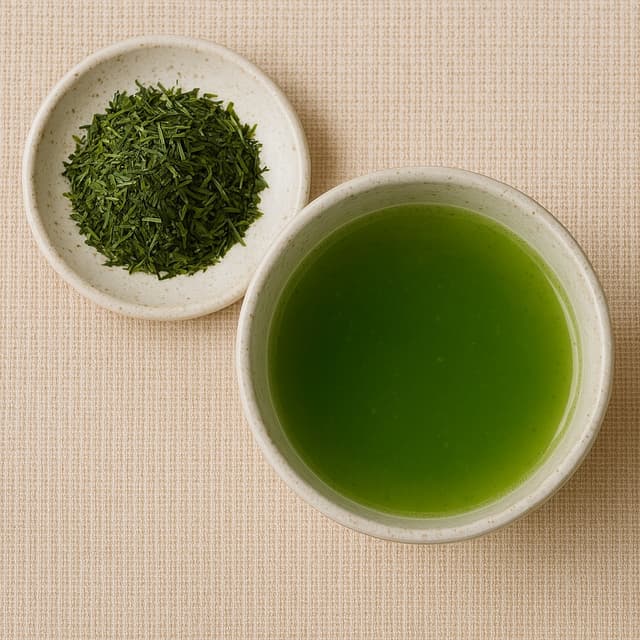
Sencha tea leaves and brewed tea

Sencha tea leaves and brewed tea

Sencha (煎茶) is a type of Japanese ryokucha (緑茶, green tea) which is prepared by infusing the processed whole tea leaves in hot water. This is as opposed to matcha (抹茶), powdered Japanese green tea, where the green tea powder is mixed with hot water and therefore the leaf itself is included in the beverage. Sencha is the most popular tea in Japan.
Types of sencha

The types of sencha are distinguished by when they are harvested. Shincha(新茶, "new tea") represents the first month's harvest of sencha. Basically, it's the same as ichibancha(一番茶, "first tea"), which is the first harvest of the year.

Kabusecha (かぶせ茶) is sencha grown in the shade for about a week before harvest. Asamushi (浅蒸し) is lightly steamed sencha, while fukamushi (深蒸し) is deeply steamed sencha.

Production

Sencha tea is made from the leaves of the Camellia sinensis plant. The leaves are steamed, rolled, and dried immediately after harvest to prevent oxidation. This process preserves the fresh, grassy flavor that sencha is known for.

The steaming process used in making sencha is what differentiates it from Chinese green teas, which are typically pan-fired. The duration of the steaming process affects the final taste and color of the tea.

Brewing

Sencha is typically brewed at lower temperatures than black tea or oolong tea. The ideal water temperature is usually between 60–80°C (140–176°F), with brewing time ranging from 1 to 2 minutes.

The tea can be brewed multiple times, with each infusion revealing different flavor notes. The first brew tends to be more astringent and fresh, while subsequent brews become milder and sweeter.

Join Our Community

Stay connected with updates, participate in discussions, and help shape the future of Horse Browser through our community channels.

Unsubscribe anytime.
Horse Browser NewsletterIssue #12
rider’s digest logo, a cowboy taming a horse

Turn your Browser into the Ultimate Productivity System.

You don’t need a todo list, or a notes app. Your browser can do these things. But it should be more integrated than simply loading a website. This is where Horse Browser comes in, with built-in productivity features that make your browser a powerful tool.

Read the Manual

The full user manual: getting started, basics, navigation, features, and the FAQ.

Opening page of the Horse Browser manual

Need Help?

Access your account, manage billing, and find answers to frequently asked questions about Horse Browser.

Pascal and Eleanor at Disneysea Tokyo