Hello Riders,
At the end of 2024, an old Horse dashboard crossed 1,000 “active users.” Pascal and I danced. There were more knees than technique. Elegance had left the building.
One honest asterisk before we fire the confetti cannon: that counter included copies of Horse running in the background. It did not mean 1,000 people were all actively browsing that day. It was a broad product-usage signal from that moment, not a precise census of Riders in the saddle.
The thing underneath the counter was completely real: Horse had survived. People were opening it, writing to us about it, and recommending a tiny independent browser to other people with entirely respectable access to Chrome.

The year started uphill
At the beginning of 2024, we had a browser we loved and a small group of loyal Riders. The wider world remained magnificently unaware of it.
This is a strange place to stand as a maker. You have spent years solving a problem, polishing Horse, and learning the names of obscure window-management bugs. Then you walk outside carrying your beautiful invention and discover that nobody was waiting in the street for a new browser. Rude, frankly.
We kept building. Horse gained folders, import and export, in-browser Notes, and a built-in password manager. We added more search engines and a Japanese translation. Each feature took another piece of work out of the Rider’s head and gave it to the computer, which is where repetitive organisational work belongs. Computers are tireless little administrative beasts. Let them pull the cart.
Then people began putting Horse into words
The first turn did not come from a grand campaign. It came from people using Horse and explaining what they saw.
Beth McClelland and Réka Writes described a calmer place for curiosity. Product Hunt found Horse and put it in front of a much larger crowd. Suddenly the browser was travelling between people without us personally carrying it door to door in a wheelbarrow.

Those conversations changed how we described the product. People were not excited because we had assembled a longer feature list. They were excited because Trails® kept the route through their work visible. They could follow an interesting branch, return to the original task, and stop performing memory archaeology every time life interrupted them.
That is a much better reason to build a browser.
Horse entered the technology press
Late in the year, Horse received its first substantial technology reviews.
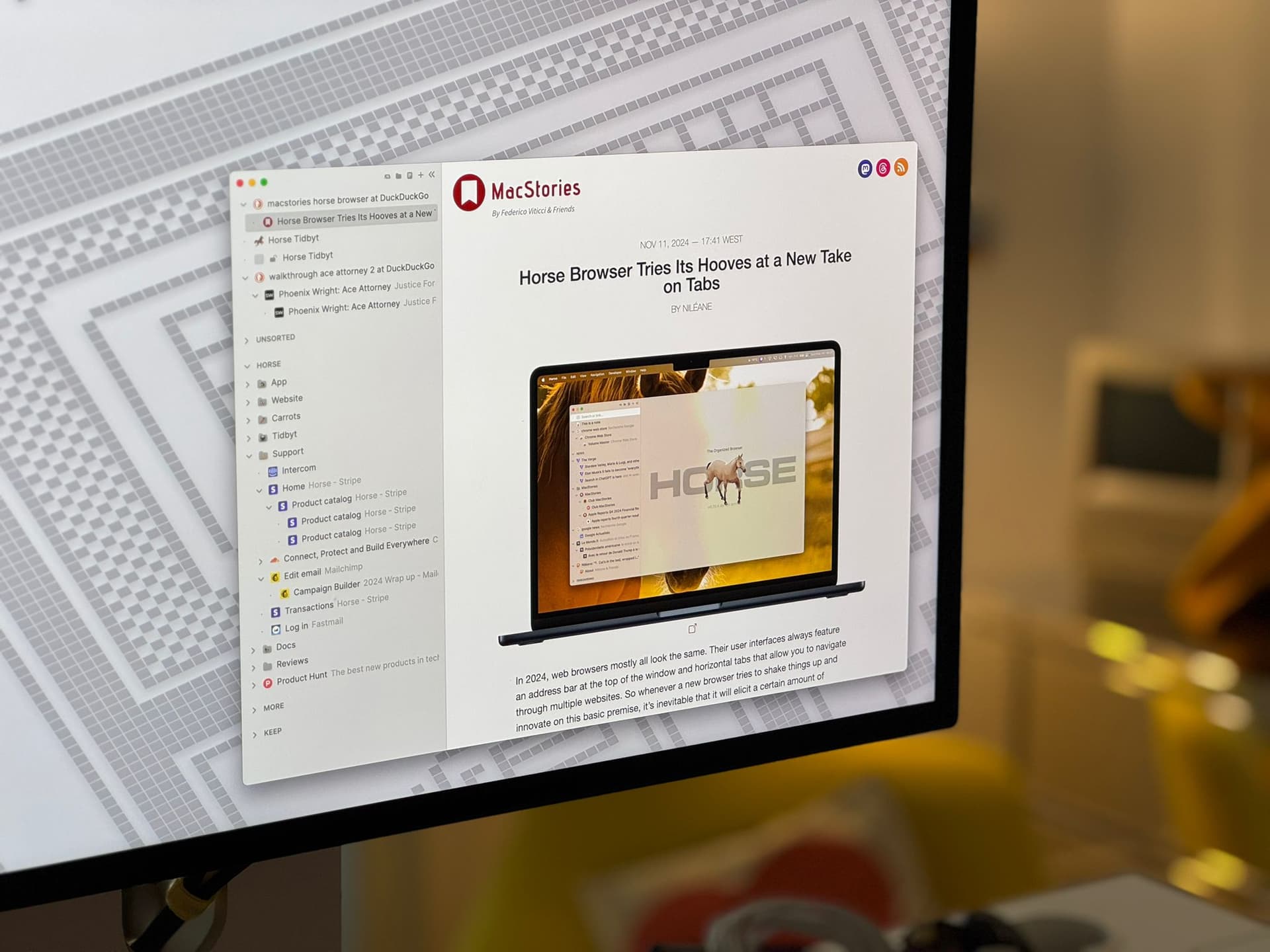
MacStories called the interface “unique, appealing, and clever.” Digital Trends praised Horse for rethinking how a browser works instead of joining the existing pile with a jaunty new hat.
Daniel, a BACP-registered psychotherapist with ADHD, also began using Horse and explained why he recommends it. His description of Trails® externalising executive function gave us language for a product effect we had seen but could not yet explain properly.
That one landed with force. A browser interface we had built for ourselves was taking avoidable remembering off people who had none to spare. The design was not merely unusual. It had a job.
Also, we appointed a cat
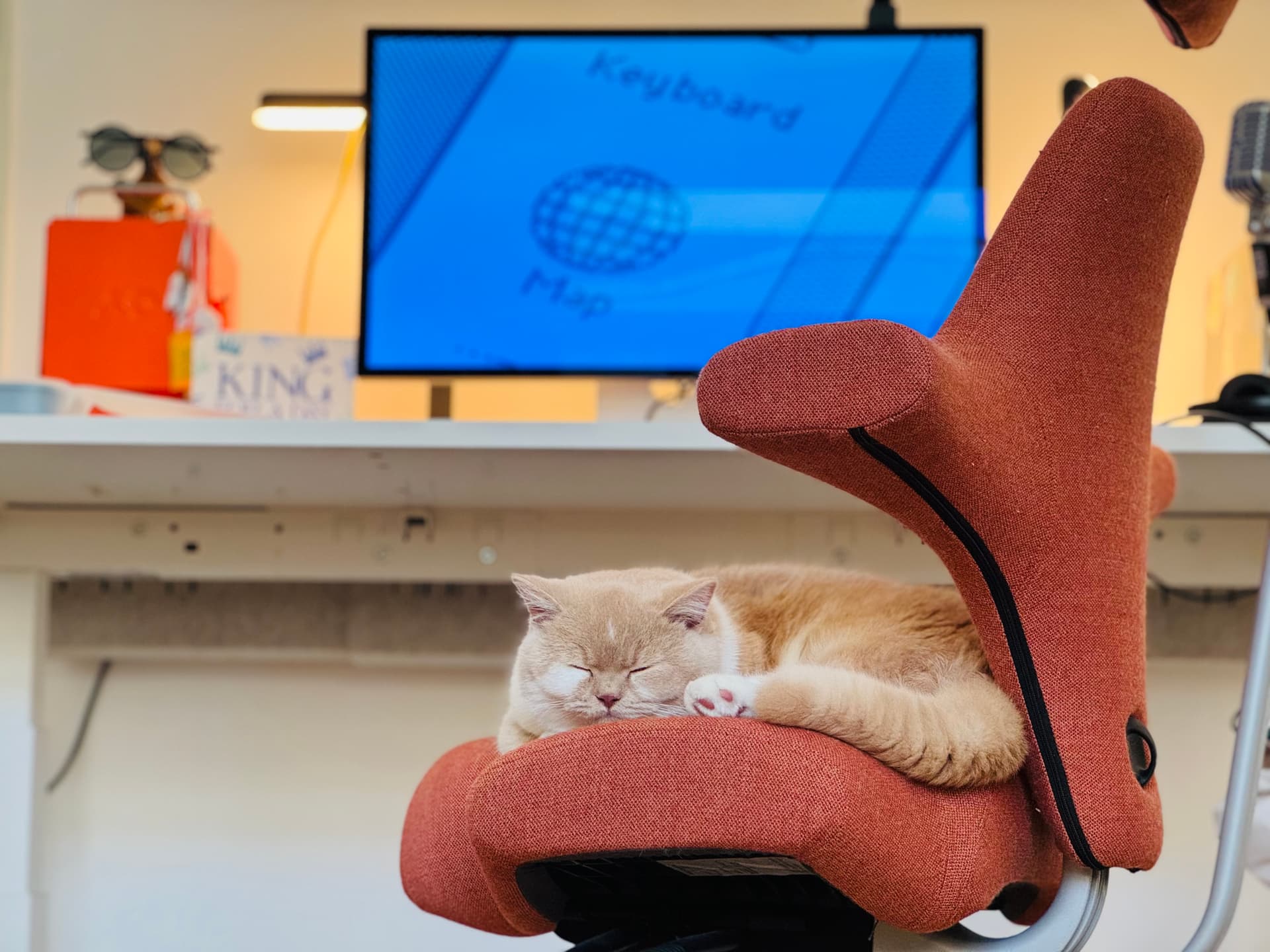
Pippin joined Horse as Chief of Distraction. His responsibilities included occupying the chair, inspecting packaging, and introducing live mammals into every video call at the exact moment a serious point was being made. His performance review was outstanding because he wrote it himself.
By December, Horse was stronger, the press had noticed, and enough Riders had found us that building a browser no longer felt like a private argument conducted through a locked door. The counter was imperfect; the Riders writing about and recommending Horse were real.
Thank you for taking a chance on the strange browser with Trails®. A counter gave us an excuse to dance. Riders gave Horse a future worth dancing about.
Catch you on the Trail,
Pascal & Eleanor
See Horse today and everything that has shipped since in the changelog.